Alexandra Sills’ Gladiators in the Greek World is a fascinating and original study that challenges one of the biggest assumptions about the ancient world—that gladiatorial combat was purely a Roman phenomenon. Instead, Sills demonstrates that the Greek-speaking eastern Mediterranean embraced gladiatorial spectacle in its own distinctive way, blending Roman traditions with local customs and creating…
Continue Reading
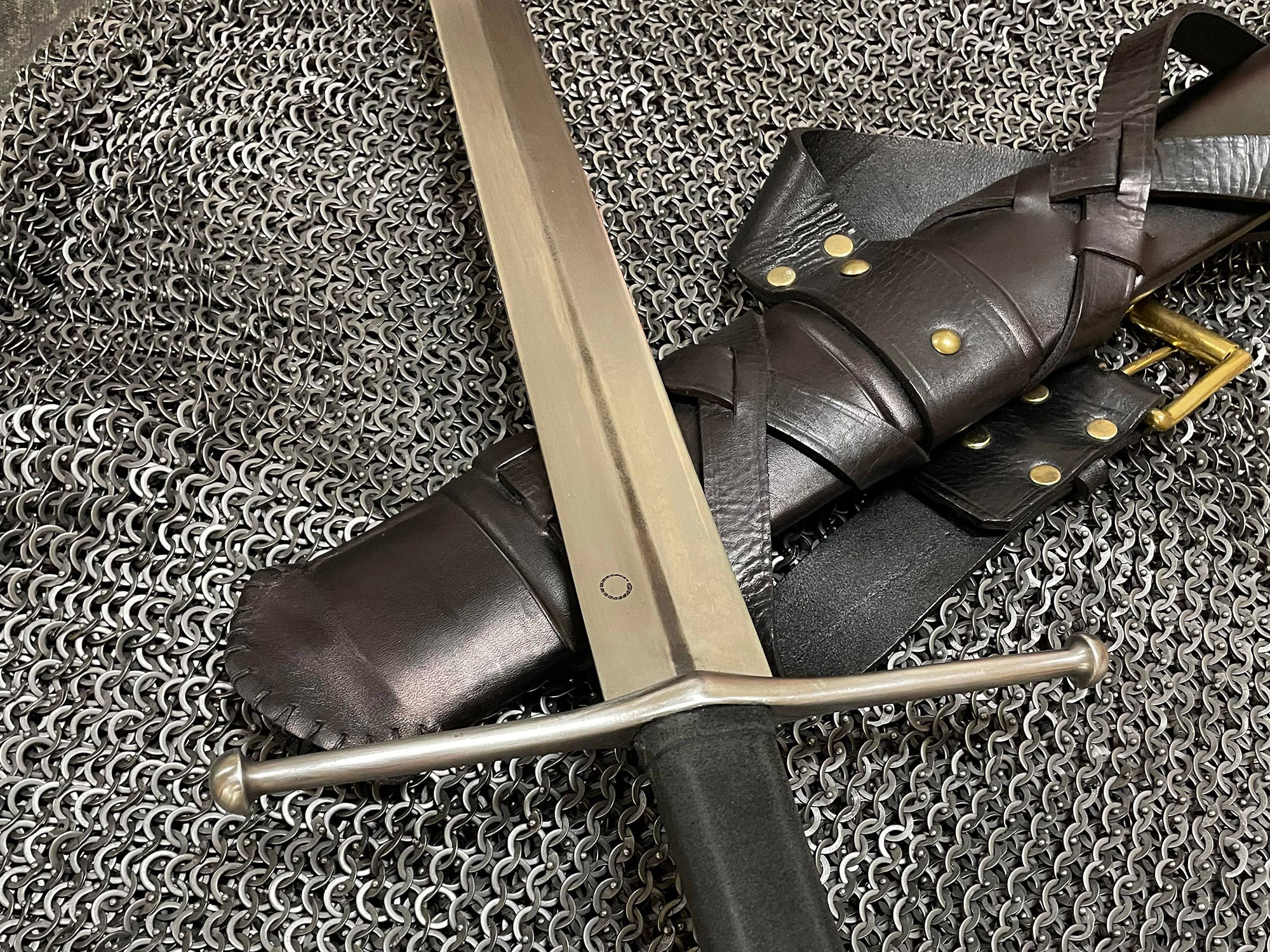
A HEMA sword is a tool, not an ornament. It takes impacts, sweat, humid store cupboards and long car journeys, and unlike a wall-hanger it needs to keep working safely week after week. The good news is that looking after it properly takes minutes, not hours — as long as you do it regularly rather…
History loves to put people into neat little boxes: hero or villain, saint or sinner. Abigail R. Williams shows that Saint Olga of Kyiv refuses to fit into any of them. In Saint Olga of Kyiv: The Viking Queen – Saint or Savage?, Williams tells the story of one of the most remarkable women of…
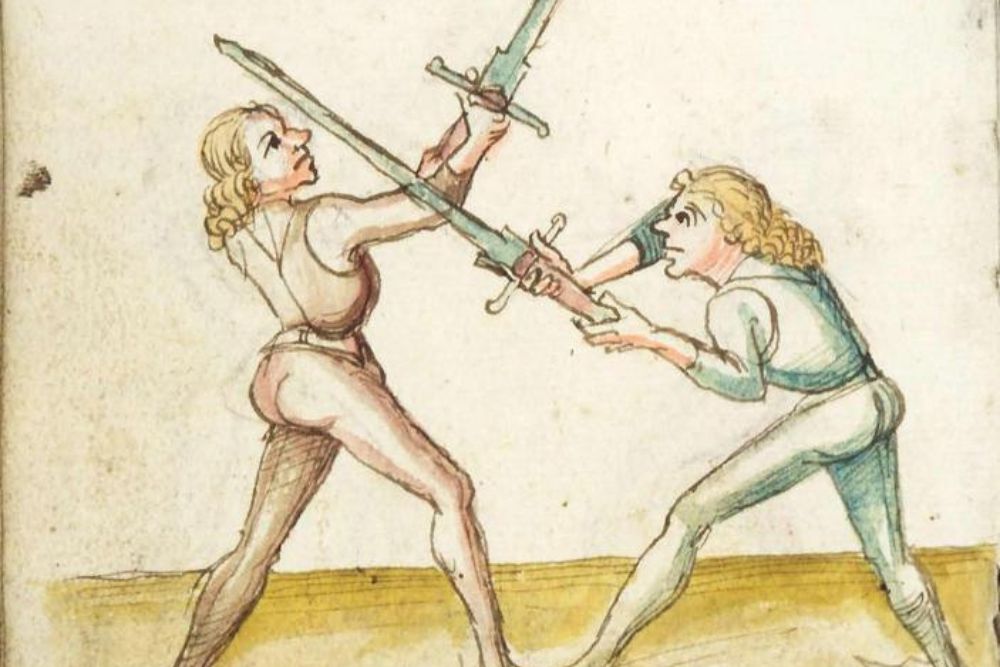
Two late-medieval fencing masters, one shared tradition — and a body of work that still informs practice today. The World They Inhabited The second half of the fifteenth century was a golden age for the German fencing tradition. The Liechtenauer system, named for the great synthesiser Johannes Liechtenauer, whose cryptic verse Zettel underpinned virtually all…
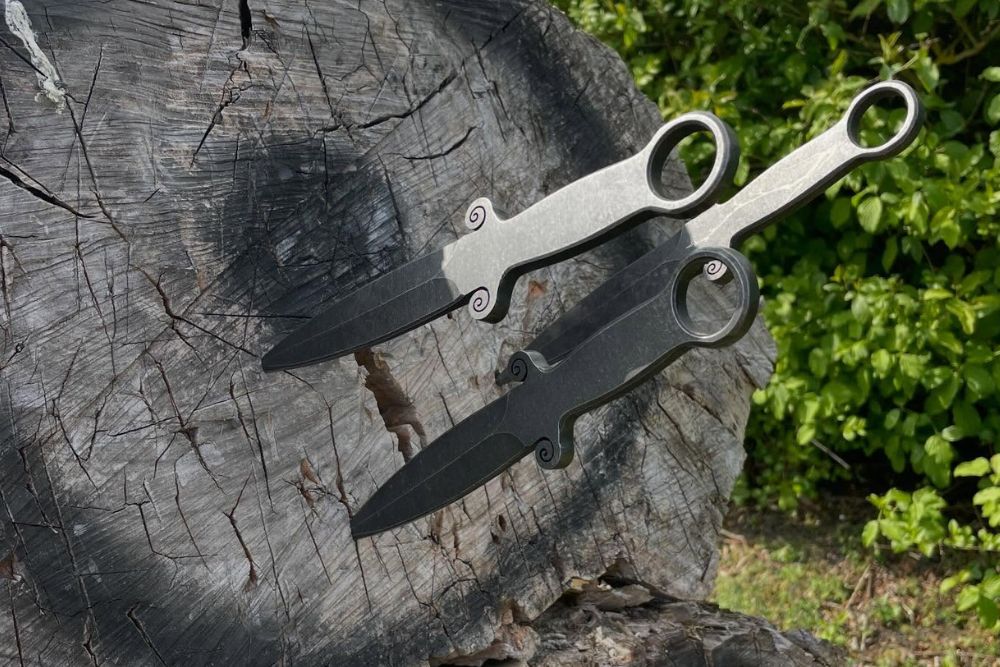
Hidden weapons have long captured the imagination, from ancient battlefields to modern martial arts films. Yet beneath the romantic legends lies a sophisticated martial tradition grounded in real technique, rigorous training, and documented history. This article explores two of China’s most notable hidden weapons: the Feidao (飞刀), or flying knife, and the Feijian (飞剑), or…
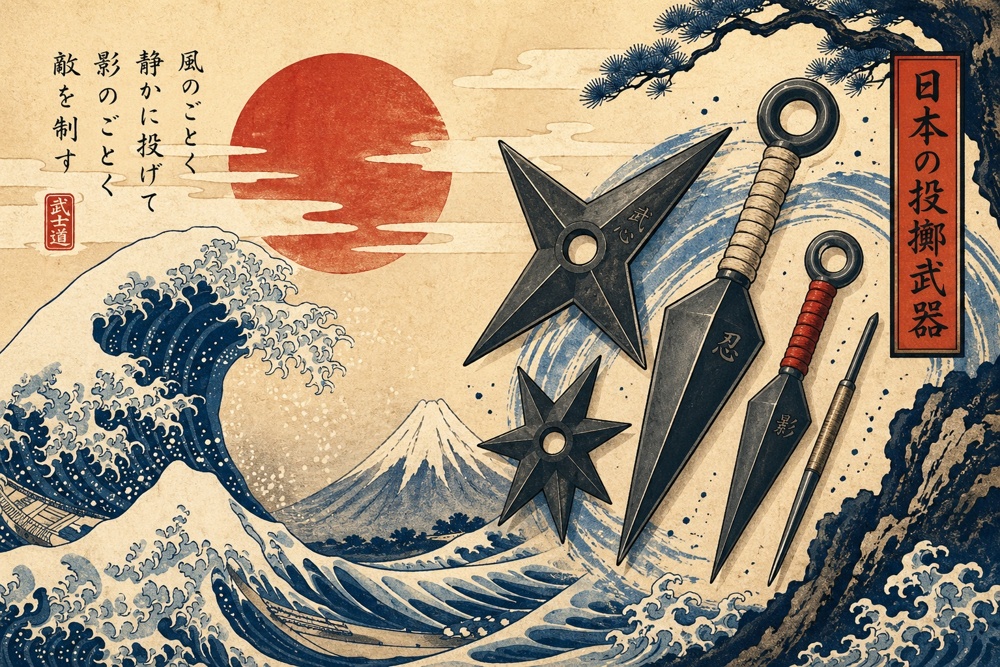
When most people picture a samurai, they picture a katana. It is the iconic image — a warrior with a long curved sword, perfectly balanced and supremely deadly. But the samurai were nothing if not practical, and the reality of feudal Japanese combat demanded a far broader arsenal. Among their lesser-known but highly effective tools…
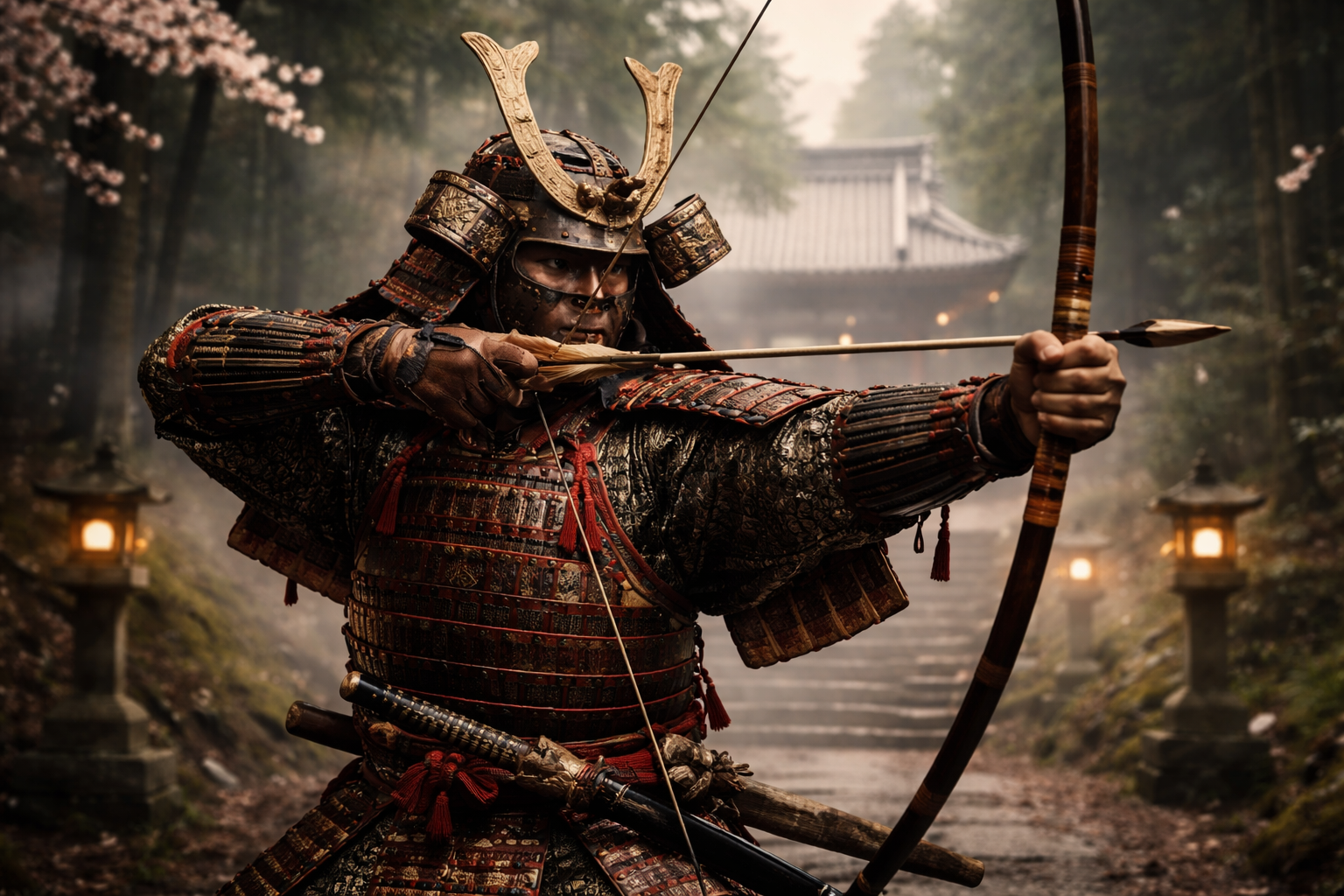
The image of a samurai warrior conjures visions of the katana, that iconic curved blade that came to symbolise the martial prowess of medieval Japan. Yet long before the sword became the primary weapon of choice, the bow—yumi—reigned supreme on the Japanese battlefield. Kyujutsu, the martial art of Japanese archery, was not merely a combat…
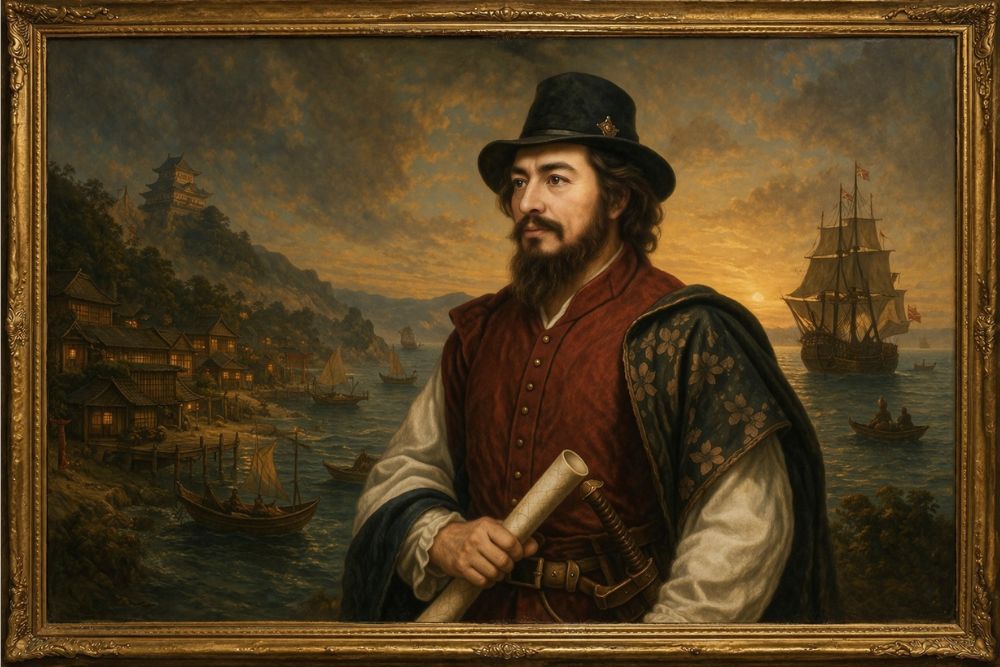
He left England as a ship’s navigator and ended up as a feudal lord in Japan. The true story of William Adams is stranger — and more moving — than any fiction. Picture the scene. It’s April 1600, and a battered Dutch ship crawls into a harbour on the coast of Japan. The crew are…
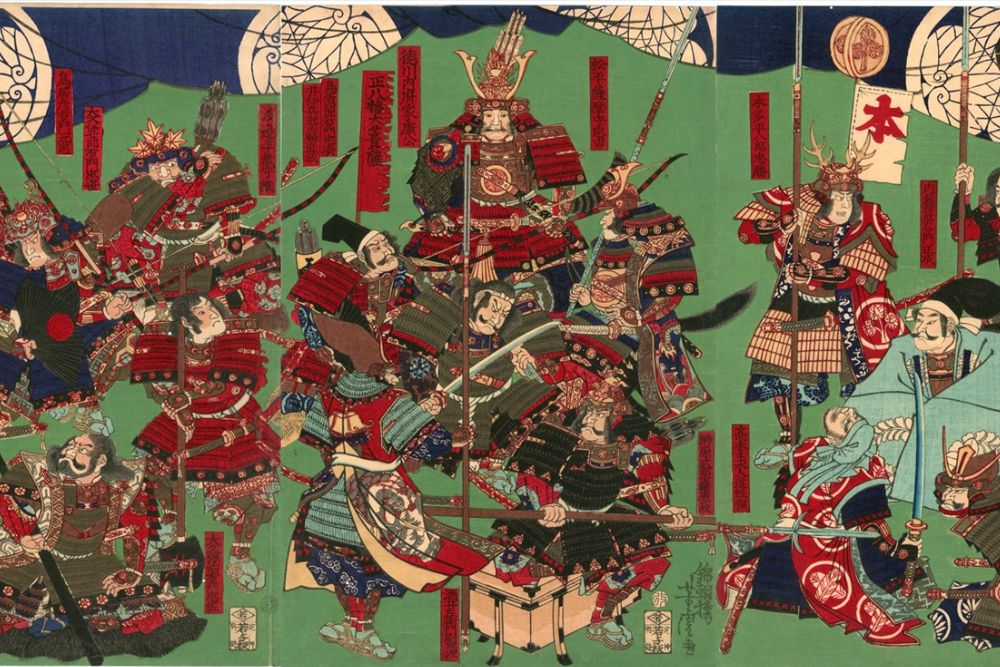
The samurai of Japan’s Sengoku period (1467–1615) and early Edo era were among the most formidably armed warriors in human history. Far from the romanticised image of a lone swordsman, the battlefield samurai was a versatile fighter equipped with a sophisticated arsenal — one that evolved rapidly in response to the chaos of near-constant civil…
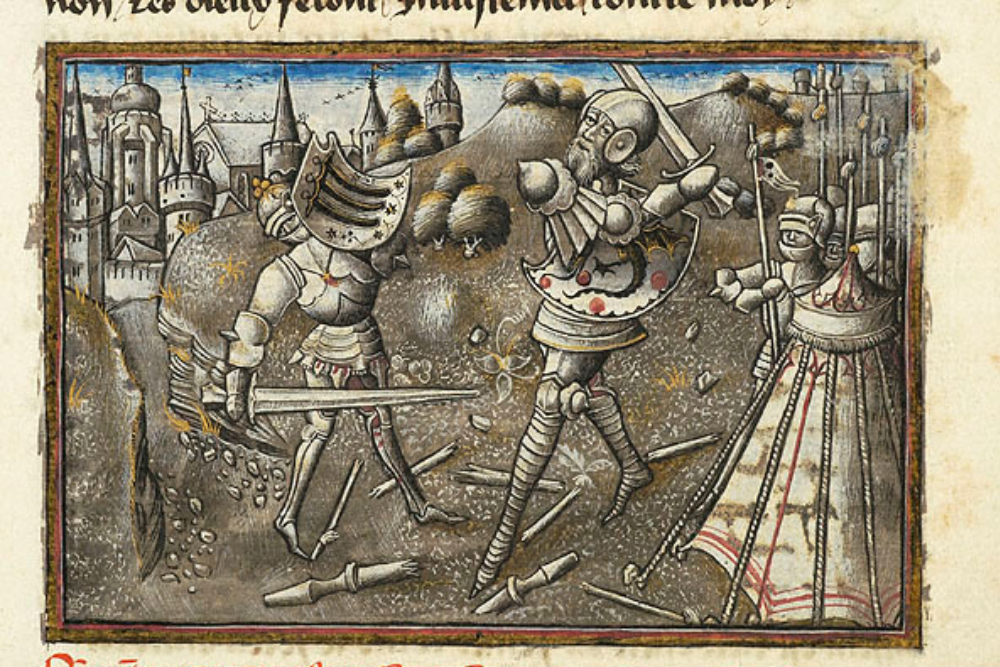
A Practical Guide for Attendees What are Multi Instructor Events? A multi-instructor event brings together practitioners from different clubs, lineages, and interpretive traditions for a concentrated period of shared training — typically one to three days. Attendees move between sessions taught by different instructors, each bringing their own source material, interpretive approach, and teaching style.…
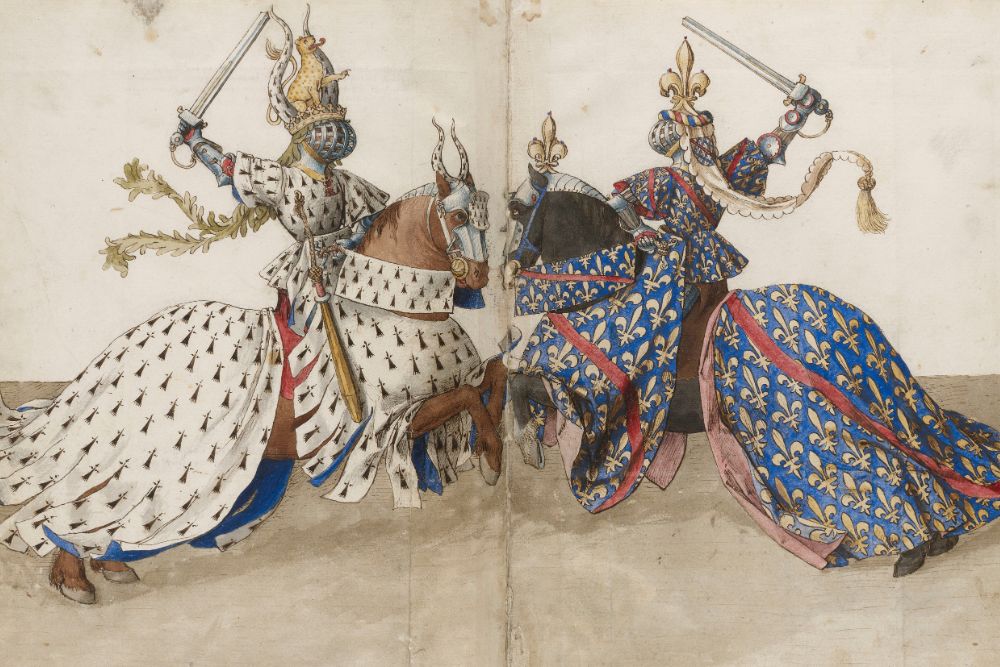
This article arose after my last trip to Munich where I found a helm labelled as a helm for the Joust of Peace. I then found a similar helm in the Kaiserberg Museum in Nuremberg. Pictures below. Reading the text and researching this, it is amazing to me how this is very much like our…
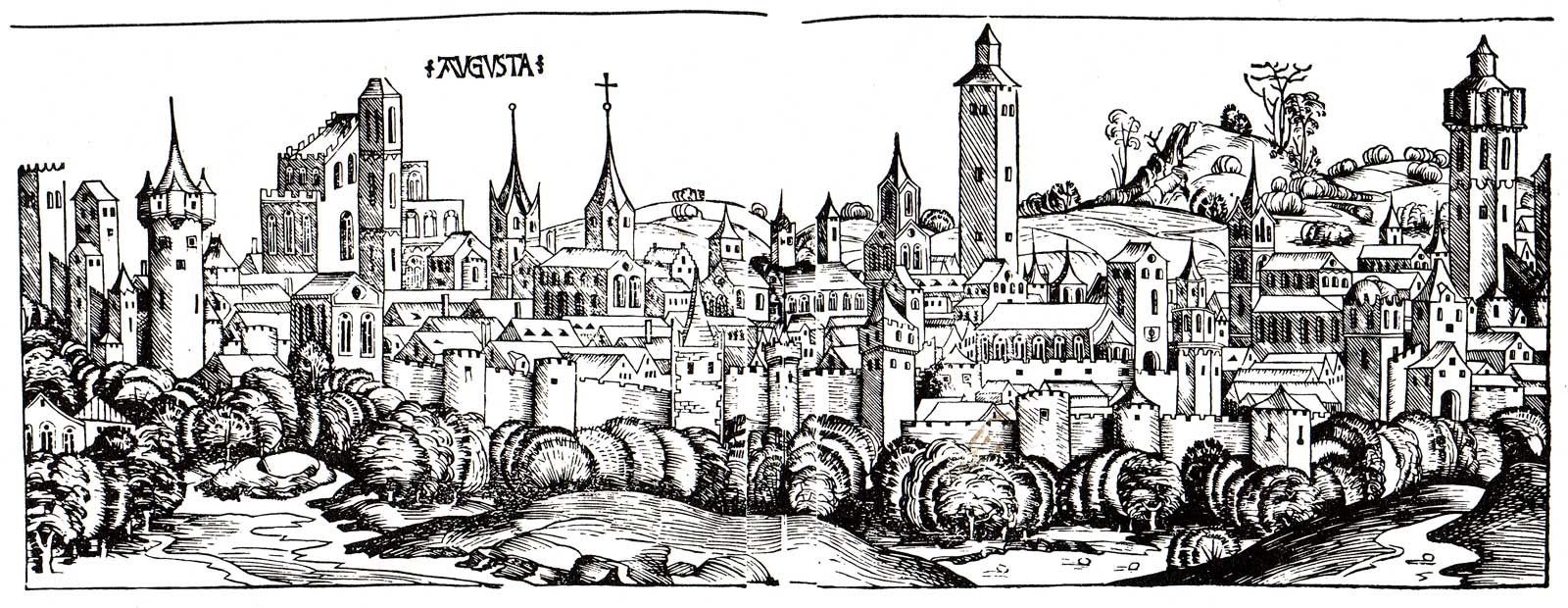
In the urban centres of 16th century southern Germany, fencing was conceived not merely as a physical skill but as a public performance of honour, discipline, and civic identity. Public fencing contests, known as Fechtschulen, were regulated events staged before spectators and governed by social expectations that extended well beyond technical proficiency. Within this performative…
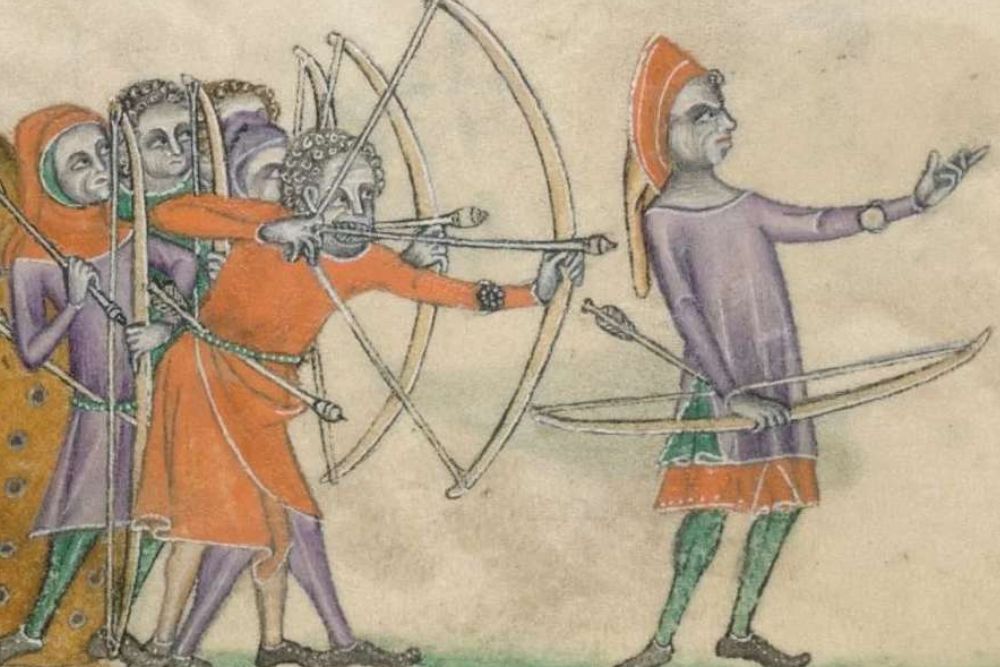
Few weapons are as synonymous with English military tradition as the longbow. This simple yet highly effective piece of archery equipment played a pivotal role in medieval warfare and has since become an enduring symbol of English martial skill. What is the English Longbow? The English longbow was a powerful type of bow, typically made…
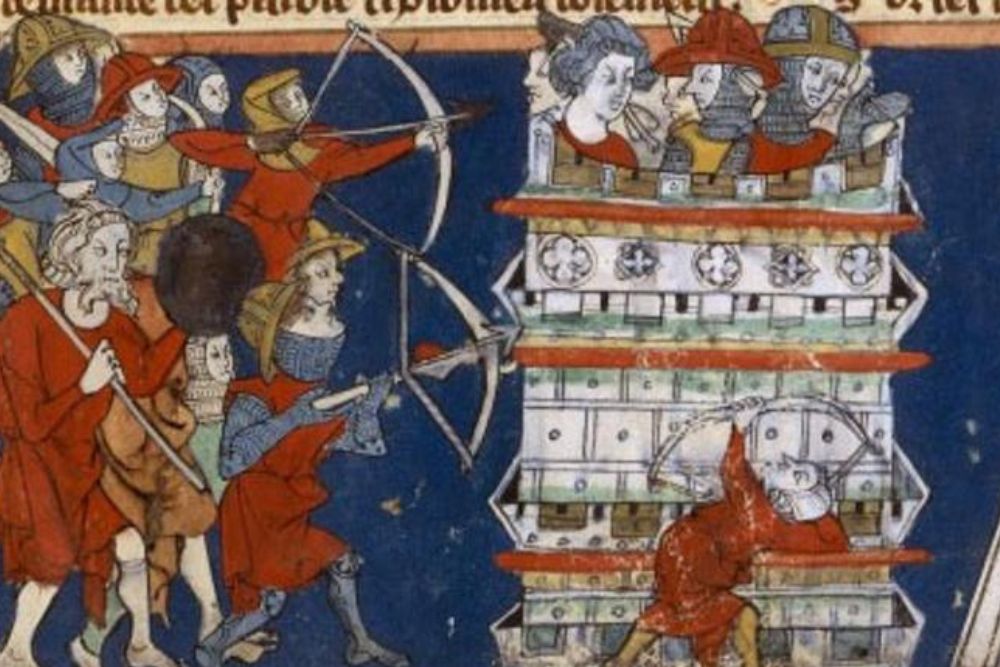
England’s medieval history is rich with tales of kings, knights, and legendary outlaws such as Robin Hood. Yet buried in the chronicles of the early 13th century lies the story of a real figure who rallied archers and woodsmen to fight foreign occupiers: William of Cassingham, better known as Wilikin of the Weald. Though far…

Kent’s ancient streets whisper stories from the Middle Ages at every turn. From the bustling pilgrim trails of Canterbury to the peaceful market squares of Faversham and the well-preserved quays of Sandwich, history is not just preserved here—it’s alive. Whether you wander ancient halls, stay in centuries-old inns, or even learn to wield a sword,…
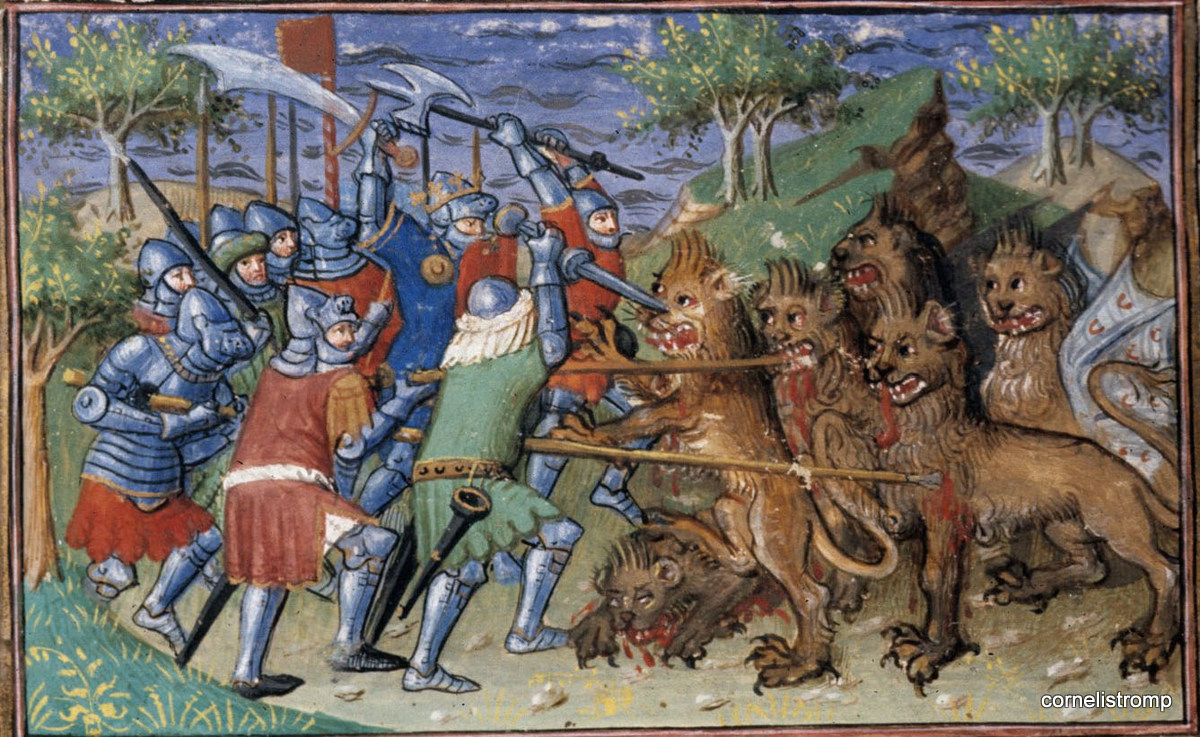
In an age of digital overload and modern combat sports, training in historical martial arts might seem like a niche pursuit. But beneath the surface of rusty swords and dusty manuscripts lies a dynamic, intellectually rich, and physically rewarding discipline. Whether you’re drawn by history, fitness, or personal development, here’s why historical martial arts (also…

Gladiatorial combat was one of the most iconic spectacles of ancient Rome, combining violence and ritual in a display of skill and brutality. These fights took place in arenas like the Colosseum, where gladiators, often slaves, prisoners of war, or volunteers, faced off for public entertainment. There were many types of gladiators, each armed and…

If you are considering building an armour impression to use for HEMA armoured fighting (Harnischfechten), it is a bit of a minefield. This is a first part of a number of posts, I will be compiling for those interested in the German tradition and want something on period and somewhat accurate. I was lucky that…
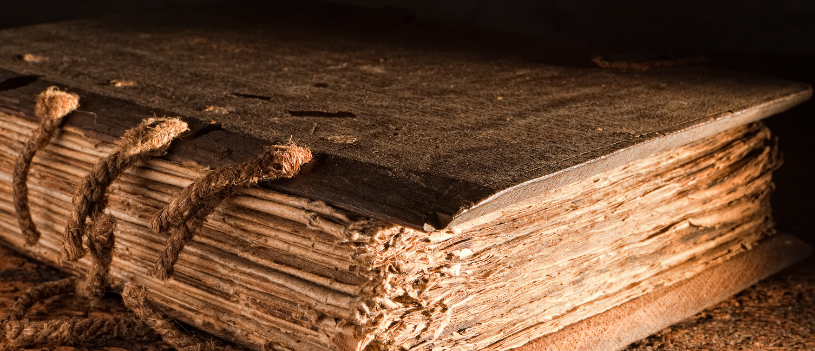
If you are interested in building up your knowledge of the German Medieval Martial Arts tradition, these books are a great place to start to build your library. A lot of Medieval Combat training is reading… While there is no substitute for actual training, these books can help give you some context to the systems…
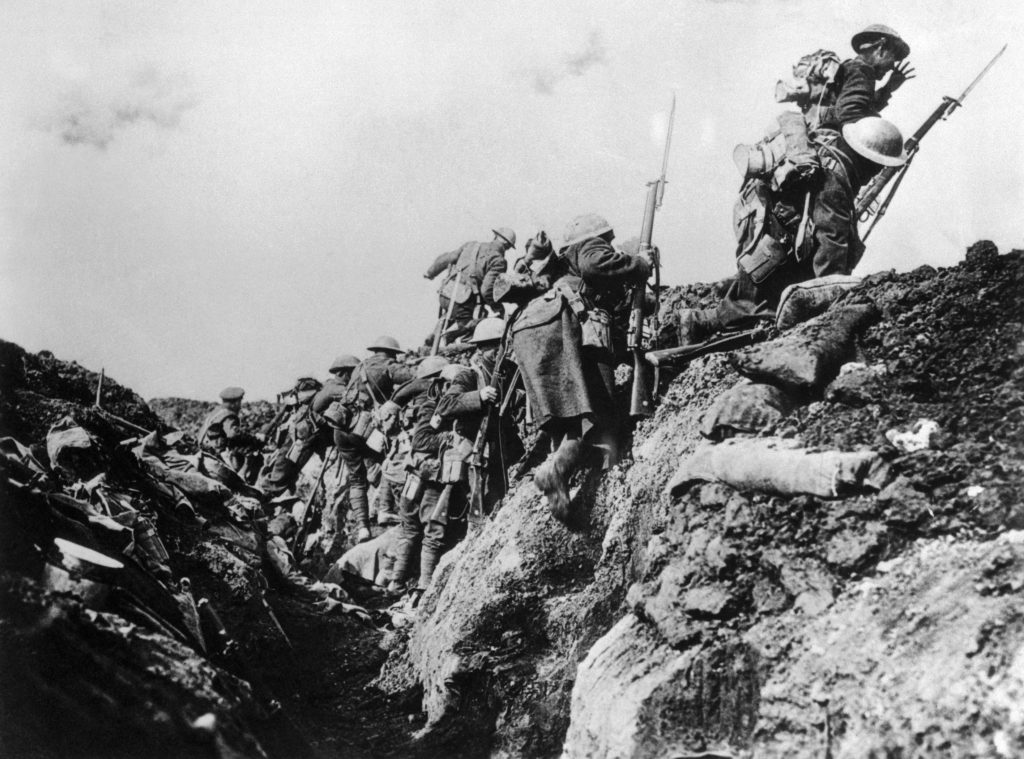
World War I witnessed a variety of combat methods, ranging from large-scale artillery barrages to trench warfare. In addition to these tactics, hand-to-hand combat played a significant role on the battlefield. This article will explore the hand-to-hand fighting methods employed by the British, Canadian, French, and American forces during World War I, shedding light on…