Book Review: A History of Criminal Tudor England by Stephen Wade
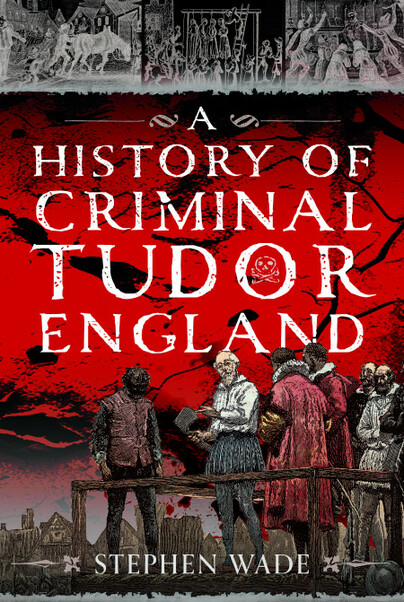
Stephen Wade’s A History of Criminal Tudor England is a fascinating exploration of the darker side of Tudor society, revealing a world where crime, justice, religion and politics were inseparable. Rather than focusing solely on the famous monarchs or notorious executions, Wade examines how ordinary people encountered the law, creating a vivid portrait of everyday life between the reigns of Henry VII and Elizabeth I.
The book immediately challenges many of the popular myths surrounding the Tudor period. While acknowledging the brutality for which the age is famous, Wade places crime within the wider social upheavals of the sixteenth century. Religious reform, population growth, political instability and economic change all contributed to a society where courts proliferated and justice became increasingly complex. The introduction alone demonstrates the breadth of the author’s approach, weaving together Shakespeare, Machiavelli, Thomas More and modern historical scholarship to show how crime cannot be separated from the wider Tudor experience.
One of the book’s greatest strengths is its range. Readers move from murder investigations and witchcraft trials to piracy, religious persecution, prisons, everyday offences and the workings of Tudor courts. Particularly engaging is Wade’s emphasis on the lives of ordinary men and women who found themselves caught in an unforgiving legal system. The result is social history at its best, where famous events sit comfortably alongside lesser-known but equally compelling stories.
Military history enthusiasts will also find plenty to enjoy. Wade highlights the importance of national defence, local musters and weapon ownership, explaining how the Tudor state expected ordinary people to be prepared for war. The recurring threats from Scotland, France and later Spain provide an important backdrop to understanding crime, government and the increasing reach of royal authority. The connections between warfare, policing and justice are particularly well explained, showing how military readiness shaped everyday life.
Wade writes with clarity and enthusiasm, making complex legal and historical developments highly accessible without sacrificing academic rigour. The extensive bibliography and use of contemporary quotations demonstrate impressive scholarship while keeping the narrative engaging throughout.
For anyone interested in Tudor England beyond the familiar stories of Henry VIII and his wives, A History of Criminal Tudor England offers a fresh perspective. It is an absorbing study of law, violence and society that reveals just how precarious everyday life could be in one of England’s most transformative centuries. It is both informative and highly readable, making it an excellent addition to any Tudor or crime history collection.
< BACK