Book review: Edmund, 1st Earl of Lancaster by John Marshall
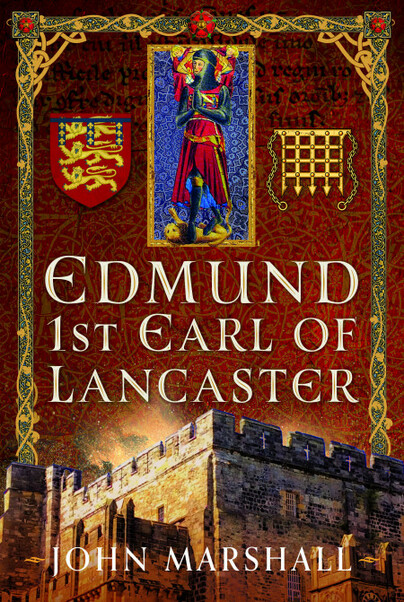
John Marshall’s Edmund, 1st Earl of Lancaster is a fascinating and impressively detailed exploration of a medieval nobleman whose influence on English history deserves far greater recognition.
Edmund Crouchback, the younger son of Henry III and brother of Edward I, lived during one of England’s most turbulent periods. Marshall brings his story to life against a backdrop of royal ambition, baronial rebellion, dynastic marriages, crusading and warfare.
What makes this book particularly enjoyable is the way Marshall places Edmund within the wider political and military world of thirteenth-century Europe. Rather than simply recounting the achievements of an individual nobleman, he explores the complicated relationships, rivalries and obligations that shaped medieval power.
For anyone interested in medieval combat and historical swordsmanship, there is plenty to appreciate.
Marshall discusses Edmund’s upbringing at Windsor, where horsemanship, hunting and martial training prepared young noblemen for the realities of warfare. As he explains:
“For the latter Edmund would have learned sword and lance.”
Chapter 2, page 20
It is a simple observation, but an important reminder that swordsmanship was an essential part of aristocratic education, closely connected to military service and social standing.
The book’s treatment of the Second Barons’ War is particularly compelling. Marshall’s account of the Battle of Lewes in 1264 captures the chaos and brutality of medieval fighting, including Henry III’s desperate resistance as he endured blows from swords and maces.
These passages also highlight the difference between the controlled environment of tournaments and the unpredictable violence of actual battle. For modern practitioners of historical European martial arts, that distinction is especially interesting.
Another strength is Marshall’s attention to the international dimensions of Edmund’s career. His involvement in the affairs of Wales, France and the crusading world demonstrates just how interconnected medieval European politics had become.
The extensive research, family trees and supporting historical material make this a substantial work. Although the level of detail occasionally demands concentration, it rewards readers with a much richer understanding of the period.
Overall, this is an excellent addition to the bookshelf of anyone interested in Plantagenet England, medieval warfare or the origins of the House of Lancaster. Marshall successfully brings an often-overlooked figure out of his brother’s shadow and gives Edmund the attention he deserves.
For medieval history enthusiasts, and particularly those interested in the relationship between swordsmanship, warfare and political power, I would thoroughly recommend it.
< BACK