Book review: The Jack Cade Rebellion – The Revolt that Led to the Wars of the Roses
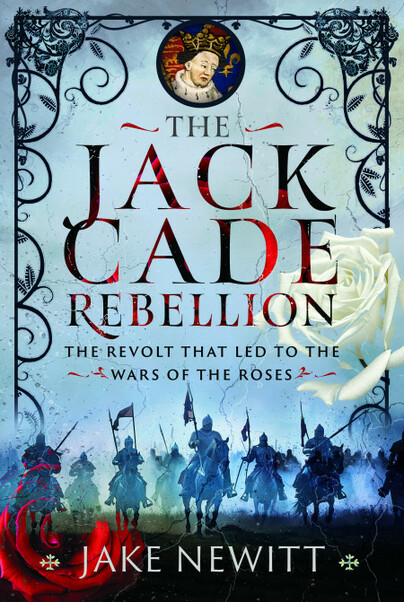
The Wars of the Roses remain one of the most fascinating periods of English medieval history, but the events that helped bring England to the brink of civil war are often overlooked. In The Jack Cade Rebellion, Jake Newitt brings the dramatic Kentish uprising of 1450 vividly to life.
As someone based in Kent with a particular interest in medieval warfare and swordsmanship, I found this book especially enjoyable. Many of the locations and events discussed are close to home, making the history feel remarkably immediate.
Newitt explores the political corruption, economic hardship and widespread resentment that drove ordinary people to take up arms against Henry VI’s government. More than a straightforward account of rebellion, the book connects Cade’s uprising with the political struggles that eventually erupted into the Wars of the Roses.
For anyone interested in historical European martial arts (HEMA), the descriptions of fighting are particularly compelling.
The battle for London Bridge is a highlight. Newitt describes twelve hours of brutal close-quarter combat, with rebels and Londoners fighting using swords, daggers, axes and clubs. The narrow bridge became a deadly battlefield where experienced soldiers fought alongside ordinary citizens.
One passage particularly caught my attention:
“Londoners and rebels clattered into each other, as numerous bodies began to litter the makeshift battlefield.”
This description from the introduction captures the chaos of medieval urban combat. For those of us studying historical swordsmanship, it is a reminder that real fighting rarely resembled the controlled exchanges we practise in training.
The account of Matthew Gough, an experienced veteran of the French wars who died defending London Bridge, is particularly interesting. His involvement demonstrates how battlefield experience could influence fighting during civil unrest.
There is also a fascinating connection with the 2026 film The Uprising, directed by Paul Greengrass, which dramatises the Peasants’ Revolt of 1381.
Although Jack Cade’s Rebellion took place almost seventy years later, the parallels are striking. Both uprisings saw ordinary people challenge royal government, march on London and demand action against perceived corruption and injustice.
Both demonstrate how quickly popular protest could descend into bloody confrontation. For anyone interested in The Uprising, Newitt’s book offers an opportunity to explore another major English rebellion, this time with Kent at its centre.
What I particularly appreciated was the attention given to Kent’s role in shaping national events. Newitt demonstrates that the rebellion was not simply an isolated disturbance but a significant turning point in fifteenth-century England.
My verdict
The Jack Cade Rebellion is an engaging, accessible and thoroughly enjoyable account of a frequently overlooked chapter of medieval history.
I would particularly recommend it to anyone interested in Kentish history, the Wars of the Roses, medieval warfare or historical swordsmanship.
It is a fascinating reminder that the road to civil war was paved not only by ambitious nobles, but also by ordinary people prepared to fight for change.
< BACK