Book Review: Violence in Viking Society
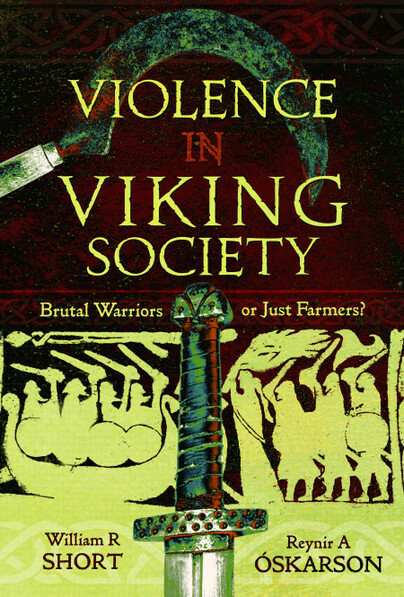
I am lucky to have received a pre-release copy of this book to review. I am not paid to write reviews.
The Vikings have long occupied a fascinating position in popular history. Were they bloodthirsty raiders, skilled warriors or farmers who occasionally picked up weapons? Violence in Viking Society tackles this question head-on, presenting a compelling examination of how violence influenced almost every aspect of Norse life.
What makes this book particularly interesting is its willingness to look beyond the familiar image of axe-wielding warriors and examine the cultural, religious and legal structures that shaped Viking behaviour.
For anyone interested in historical European martial arts (HEMA), the discussion of combat and the warrior mindset is especially rewarding.
The authors argue that understanding Viking fighting methods requires more than examining swords, shields and battlefield tactics. We must understand the mentality of the people wielding those weapons.
As they explain:
“Mindset is the software that guides the hardware.”
This observation, from page 71, is particularly relevant to those of us studying historical swordsmanship. Combat techniques do not exist in isolation. They develop within societies that determine when violence is acceptable, how warriors establish their reputations and what constitutes honourable behaviour.
One of the challenges we face when studying Viking swordsmanship is that, unlike later medieval European martial arts, we have no surviving Viking-age fighting manuals or instructional manuscripts explaining how warriors were taught to use their swords, shields and other weapons.
Yet Viking combat remains one of the most popular areas of historical martial arts. The image of the Viking warrior has enormous appeal, and many people want to learn how these warriors actually fought.
The difficulty is separating historically informed reconstruction from modern interpretation. We can examine surviving weapons, archaeological evidence, sagas and contemporary descriptions, but these do not provide a complete fighting system.
This is where Violence in Viking Society becomes particularly valuable. Although it is not a technical sword-fighting manual, it helps us understand the society that produced these warriors and the importance placed on martial ability.
The book also explores Viking legal practices, including armed duelling as a means of resolving disputes. Rather than existing outside society’s rules, violence could be an accepted and lawful way of settling disagreements.
Equally fascinating is the examination of competitive games that developed strength, endurance, aggression and tactical awareness. These activities were not simply entertainment; they also helped develop attributes useful in combat.
The authors draw upon Norse mythology, poetry, historical accounts and legal traditions to reveal a society in which weapons, warfare and martial reputation were deeply embedded in cultural identity.
Violence in Viking Society is an engaging, thought-provoking and highly recommended read for Viking enthusiasts, military historians and practitioners of historical swordsmanship.
It offers something particularly valuable: an understanding not simply of how Vikings fought, but why fighting mattered so much to them.
For anyone interested in reconstructing historical combat systems, that cultural perspective is every bit as important as the weapons themselves.
< BACK