Book Review: The Medieval Pilgrim: The Roads to Salvation by Michael Brown
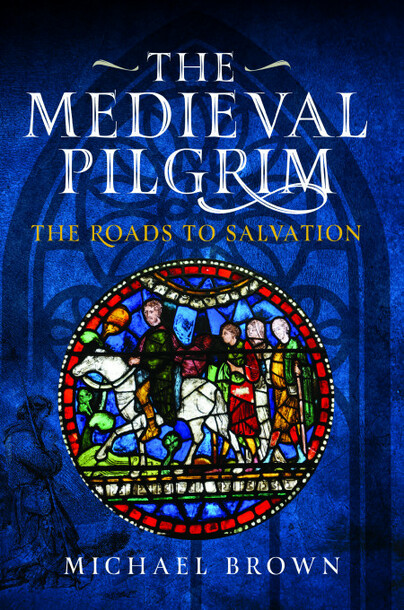
Michael Brown’s The Medieval Pilgrim: The Roads to Salvation is a fascinating and highly accessible journey into one of the defining experiences of medieval life. Rather than simply describing famous pilgrimage routes, Brown explores the beliefs, hopes and fears that drove thousands of ordinary people to leave the safety of their homes and travel across Britain and Europe in search of forgiveness, healing and spiritual fulfilment. The result is a book that is as much about medieval people as it is about medieval places.
One of the book’s greatest strengths is its ability to explain the medieval mindset without becoming overly academic. Brown makes it clear that pilgrimage was far more than a religious holiday. It was an act of devotion, a form of penance, a search for miracles and, for many, the adventure of a lifetime. He explains how belief in saints, relics, indulgences and Purgatory shaped everyday life, helping modern readers understand why people would willingly endure dangerous roads, disease and hardship in the hope of reaching a holy shrine.
The chapters on saints, miracles and relics are especially engaging. Brown explores the extraordinary stories surrounding holy relics and miracle-working images with an even-handed approach, explaining why medieval people placed such faith in them while also acknowledging how some claims stretched credibility. Particularly interesting are the sections describing miraculous statues, relic collections and the colourful world of medieval devotion, where faith, folklore and local tradition often blended together.
The practical side of pilgrimage is equally compelling. Brown examines how pilgrims prepared for their journeys, what they packed, where they stayed and the dangers they faced along the way. The famous destinations of Santiago de Compostela, Rome and Jerusalem are all covered, but so too are the countless local shrines that attracted visitors seeking cures, forgiveness or simply comfort during difficult times.
One quotation perfectly captures the heart of the book:
“The story of medieval pilgrimage is a very human story.”
That simple sentence reflects Brown’s greatest achievement. Rather than focusing solely on churches and relics, he reminds us that pilgrimage was ultimately about people—their beliefs, struggles, ambitions and hopes.
Beautifully illustrated and written in a clear, engaging style, The Medieval Pilgrim is an excellent introduction to a subject that shaped medieval Europe for centuries. Whether your interest lies in history, religion, archaeology or simply understanding how our ancestors viewed the world, this book offers an enjoyable and rewarding read. It successfully brings medieval pilgrimage to life, showing it to be a rich blend of faith, travel, culture and human experience.
< BACK