Book Review: Medieval Military Medicine: From the Late Middle Ages to the Early Sixteenth Century by Brian Burfield
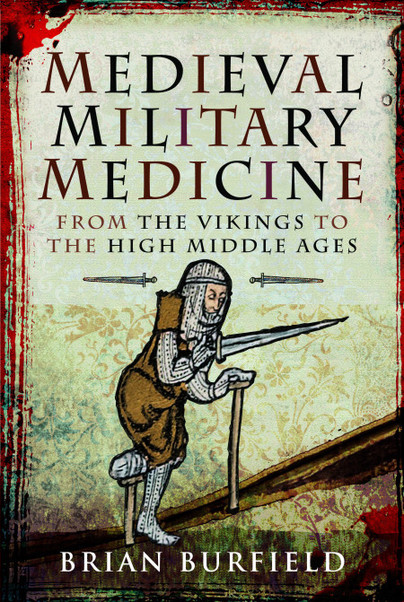
Brian Burfield’s Medieval Military Medicine is a fascinating and highly readable exploration of how wounded soldiers were treated during one of the most violent and medically challenging periods in European history. Covering the years from around 1300 to 1550, the book looks at the transition from traditional weapons such as swords, arrows and pikes to the growing use of gunpowder, handguns and cannon.
What makes the book especially interesting is its focus on the people behind the medicine. Burfield introduces battlefield surgeons including Henri de Mondeville, Jehan Yperman, Heinrich von Pfolspeundt and Ambroise Paré, showing how practical experience in war drove medical innovation. These were not simply theorists working from ancient texts. They were treating shattered bones, arrow wounds, burns, amputations and head injuries in extremely difficult conditions.
The account of John Bradmore treating the future Henry V is one of the book’s standout episodes. After an arrowhead became lodged deep in the young prince’s face at the Battle of Shrewsbury, Bradmore designed a special metal instrument to remove it. His combination of surgical skill, patience and knowledge of metalworking helped save Henry’s life. Other memorable sections examine the use of spider silk in wound dressings, sedative sponges made from powerful plants, early reconstructive surgery and the treatment of gunshot wounds.
Burfield also challenges the popular idea that medieval medicine was entirely primitive or superstitious. While astrology, charms and the theory of the four humours remained influential, many surgeons relied on observation, experimentation and practical results. Ambroise Paré’s decision to stop pouring boiling oil into gunshot wounds is a striking example of medical progress emerging directly from battlefield experience.
A quotation from Paré captures the uncertainty facing these surgeons:
“I dressed him, and God healed him.” — Ambroise Paré
The line reflects both the surgeon’s humility and the unpredictable nature of survival in an age before modern antibiotics and anaesthesia.
The book’s scope extends beyond physical wounds to include disease, disability, prosthetics and the psychological damage caused by warfare. Burfield also gives welcome attention to female healers, assistants, barber-surgeons and the ordinary soldiers who often treated one another when professional help was unavailable.
Richly researched but easy to follow, Medieval Military Medicine is an excellent book for readers interested in warfare, surgery, weapons or everyday medieval life. It is informative, sometimes grim, but consistently absorbing.
< BACK