Multi Instructor Events in HEMA
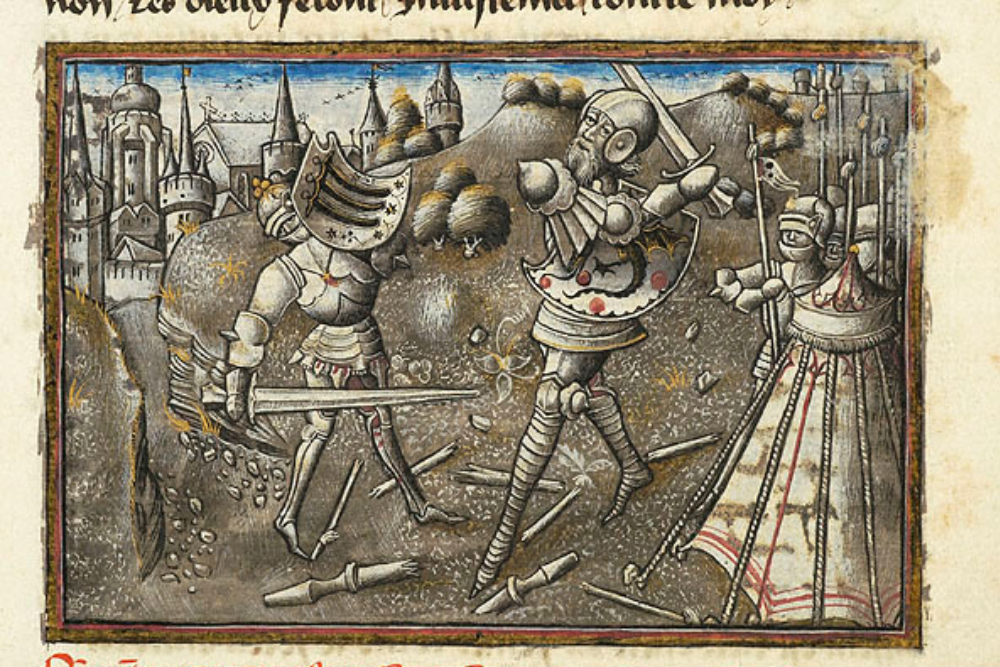
A Practical Guide for Attendees
What are Multi Instructor Events?
A multi-instructor event brings together practitioners from different clubs, lineages, and interpretive traditions for a concentrated period of shared training — typically one to three days. Attendees move between sessions taught by different instructors, each bringing their own source material, interpretive approach, and teaching style.
Unlike training at your home club, these events create a marketplace of ideas. You might spend a morning drilling Liechtenauer longsword with one instructor, then move to Bolognese sidesword with someone who approaches the same historical period from a completely different analytical framework. That breadth is both the great strength and the genuine challenge of this format.
Pros and Cons for Attendees
ADVANTAGES
Variety of teaching styles
Attending sessions run by different instructors exposes you to contrasting interpretations of the same source material, sharpening your ability to think critically about what you are learning.
Discover new disciplines
A single weekend may cover longsword, sword and buckler, dagger, messer, or rapier. You can sample weapons and systems you would never access through your home club.
Community and connection
Meeting practitioners from clubs across the UK builds friendships, reveals the breadth of the art, and helps you feel part of a wider community rather than an isolated school.
Benchmark your skills
Open sparring sessions with unfamiliar partners are among the most honest indicators of how your training translates outside familiar surroundings.
Accessible for all levels
Many UK events actively programme beginner-friendly tracks alongside advanced sessions, making them a genuine entry point for those new to HEMA.
Scholarly content
Larger events include lectures and manuscript discussions, offering a deeper connection to the historical sources underpinning the art.
Traders and second hand tables
You can pick up a whole bunch of stuff from manufacturers and traders, as well as some bargain second hand gear. So do bear that in mind. So traders you might not have heard of but do check their stuff out.
CONSIDERATIONS (things to consider not to be seen as problems)
Breadth over depth
A two-hour class can only scratch the surface of any technique. You will leave with impressions rather than integrated skills, which require consistent drilling back at your home club.
Contradictory advice
Instructors may teach opposing approaches to footwork, structure, or interpretation. For intermediate students especially, this can be genuinely destabilising without a strong existing framework to evaluate it against.
Information overload
Three days of back-to-back physical and mental demands is exhausting. Fatigue compromises retention and increases the risk of injury in later sessions.
Variable session quality
With many instructors on the programme, the quality of individual sessions will vary. Organisers can vet teachers, but cannot guarantee consistency across every class.
Cost and travel
Registration fees, transport, accommodation, and food make multi-day events a significant financial commitment, particularly for students or those travelling from further afield in the UK.
The collector’s trap
It is easy to attend event after event, accumulating techniques without drilling any of them long enough to function under pressure. Events should complement regular training, not replace it.
Who benefits most?
Intermediate to advanced practitioners tend to extract the most value from these events. When you have enough foundational training to recognise what is being taught and why, you can evaluate, compare, and integrate new material into an existing framework. For a relative beginner, the volume of contrasting information can be overwhelming.
Newer students are often better served by smaller, single-theme events with a curated curriculum — such as a dedicated longsword day or a beginner-focused introduction to a single system — where the focus is narrower and the instruction builds progressively through the day.
Getting the most from an event
Plan your schedule deliberately
Don’t try to attend everything. Pick two or three sessions that complement each other — for example, all longsword classes, or all material from a single historical period. You will learn more from fewer, focused sessions than from a frantic sprint through the timetable.
Bring a training partner
Attending with a clubmate means you can drill together during sessions, compare notes afterwards, and hold each other accountable for actually integrating what you’ve learned when you return home.
Write notes immediately after each class
Memory decays quickly after intense physical training. Take five minutes between sessions to record the two or three key concepts from the class you just attended, before the next session overwrites them.
Spar with unfamiliar partners
Seek out free sparring with practitioners from traditions different from your own. It will reveal gaps in your game that familiar training partners cannot expose, as they have already adapted to your habits.
Use breaks for conversation, not cramming
The corridor conversations are often as valuable as the mat time. Use lunch and breaks to process what you have learned rather than fitting in another class.
Follow up after the event
Identify one or two concepts to pursue further and contact the relevant instructor afterwards. Most HEMA teachers welcome correspondence, and the learning rarely needs to end when the event closes.
A final word
Multi-instructor events, at their best, show you that the art of the sword is alive in many hands, interpreted in many voices, and genuinely larger than any one club or tradition. They challenge your assumptions, forge friendships across club boundaries, and return you to regular training with fresh eyes.
At their worst, they become exhausting event-to-event tourism where techniques are collected but never drilled. The difference lies largely in how you attend — with clear intentions and the discipline to take home two or three ideas and work on them consistently before the next event.
Clean your blade. Pack your notes. Wash your jacket. Choose your events wisely.
< BACK